



WORK IN BEAU PLAN
Demystifying Gen Z
The research is clear: multigenerational teams are far more effective than homogeneous ones— but only if they can master collaboration. So far, integrating Gen Z into the generational mix has been fraught with challenge.
A wide gulf of understanding separates Gen Z from the rest of the workforce; to bridge it, we need deeper insight into their lived experience and how it has shaped their worldview.
Get to know Gen Z, the most misunderstood generation yet.
The new kids on the block are here, and much like their predecessors, Gen Z is already plastered with lessthan-flattering labels. Disparaged by managers and colleagues as the most difficult generation to work with, their arrival marks a turning point. Never before has any cohort shaken the corporate paradigm with such blunt force, challenging everything from workplace inclusivity to organizational loyalty.
Born between the mid-1990s and early 2010s, Gen Z has grown up in a world radically transformed by technology, global crises, and shifting social norms. They spent their formative years under the shadow of the Great Recession – dinnertime conversations centred around defaulted mortgages, job layoffs and downsizing on life’s luxuries. Weighed down by years of economic recession, a global pandemic, and a looming environmental crisis, Gen Z approaches life with intense realism. In many ways, they have inherited a planet and conditions they had no part
in creating, and they can neither afford nor muster the optimism of previous generations.
Gen Z’s most defining feature, however, remains their innate digital fluency. Compared to even Millennials—who remember a world without the Internet—Gen Z has never known life without smart technology. Everything appears within reach and possible to them. Innovation is moving at breakneck speed, but they are so embedded within this web of change that they hardly notice it. Gen Z’s tech fluency comes with its own set of frustrations; put in a work environment with outdated processes, and Gen Z will quickly feel as though they are wasting their time because “software can do this”.
More than just a cog in the machine, Gen Z wants to work towards a better world
Easy access to information via the Internet and social media has helped shape a robust moral compass, which in turn governs a large part of Gen Z’s career decisions. To be fully engaged with their work, they need to be aligned with their employer’s overarching mission and believe that they are making a meaningful contribution towards this mission.
As the most ethnically diverse generation in history, Gen Z doesn’t value diversity at the workplace—it is a baseline expectation. Eight out
of ten Gen Z employees will not join an organization that does not boast varied race, gender, and orientation across the board – from entry-level positions to senior leadership. Levels of engagement are also higher amongst Gen Z employees in diverse and inclusive companies— it is a value that they share universally and is not just contained to the diverse few.
A lack of social capital is affecting Gen Z’s integration into the workplace
At the height of the pandemic, the earliest Gen Z employees had just been onboarded at their first jobs. They spent the initial months and years of their career working in remote or hybrid setups, missing out on the proverbial ‘water cooler conversations’ that form the basis of company culture. Instead, initial interactions took place over emails or Zoom—with or without video. Check-ins, guidance, and mentorship
were limited and transactional. As a result, Gen Z is drifting through their careers with fewer connections, weaker networks, and lower social capital than previous generations.
Organizations can remedy Gen Z’s low social capital in several ways:
(a) Mentorship and reverse mentorship programs are incredibly effective in forging relationships and pushing career development. Reverse mentorship involves Gen Z employees mentoring senior colleagues on contemporary topics such as digital trends and emerging technologies.
(b) Encouraging cross-departmental projects and task teams so employees can collaborate across various organisational functions and levels.
They promote visibility, recognition and networking opportunities for Gen Z employees.
Is Gen Z always on the hunt for better?
Gen Z might show discouragingly low levels of corporate loyalty and appear somewhat transactional at the workplace, but this is the guard
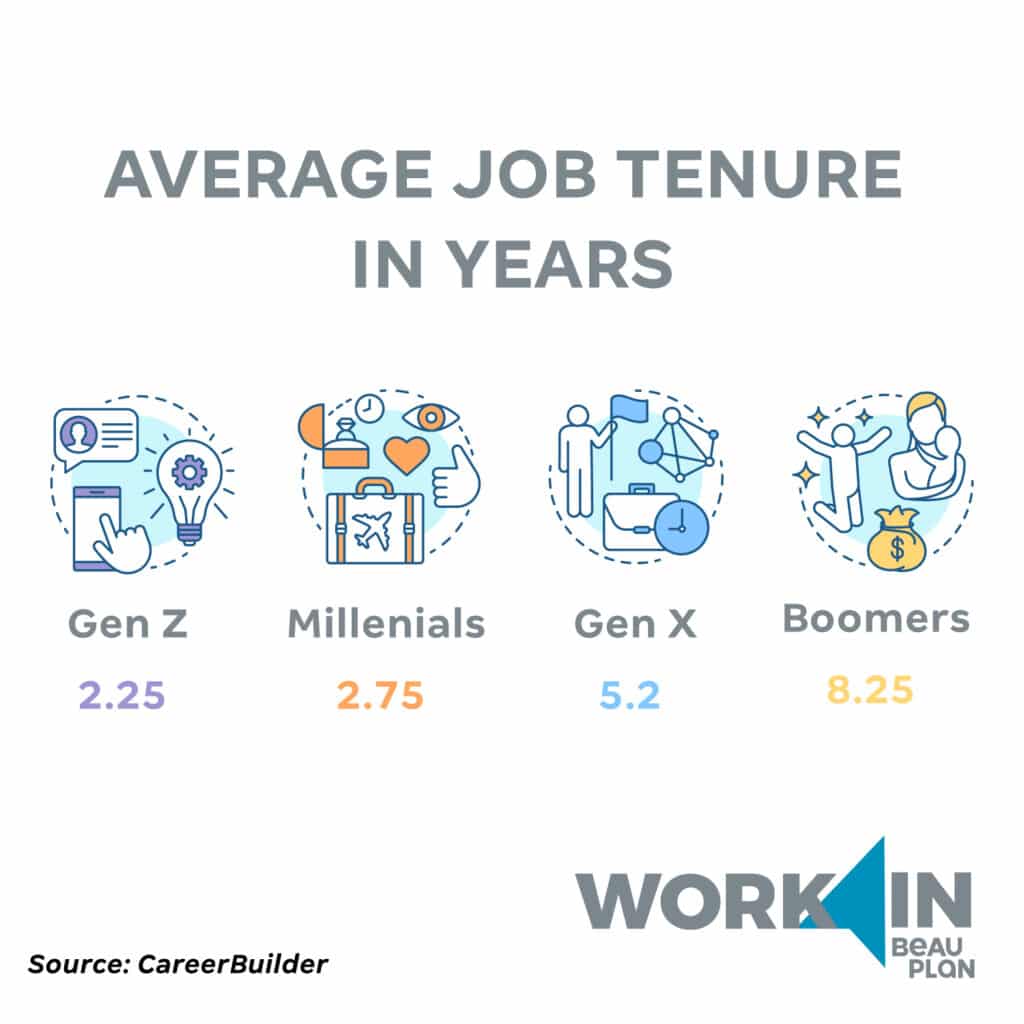
their circumstances have conditioned them to put up. The reality of Gen Z’s “job-hopping” is more nuanced. While it is true that they have shorter than-average job tenures compared to previous generations, the reasons for this are varied and, in most cases, preventable by proactive managers.
The number one strategy for retaining Gen Z is to show them the path to promotion. This concept, often called career gamification, involves managers to clearly define the steps required to reach the next milestone, raise, or promotion. Without clear direction, Gen Z employees quickly feel as though they have “little left to gain” and move on to their next role.
Accustomed to a culture of instant feedback via likes, comments, and notifications, Gen Z craves similar feedback at the workplace. Daily
check-ins (even 5 minutes) offer them a chance for mentorship, priority-setting for the day, and a point of connection to their managers. There is high ROI in making Gen Z feel cared about. Gen Z employees might even benefit from quarterly reviews instead of just one high-stakes/high-pressure annual review.
The generation that side hustles
Gen Z is all about small-scale entrepreneurship within the framework of steady employment. Whether it be dog-walking or reselling clothes,
Gen Z is always side-hustling for supplementary income. To some extent, the financial security from other sources makes them bolder in their professional decision-making.
Companies can appeal to Gen Z’s enterprising nature by offering internal freelance opportunities that take them away from their core 9-5. These could be in another department or unrelated responsibilities within the same department. Gen Z is likelier to show loyalty to companies that offer diverse opportunities under the same roof.
Designing a workplace that transcends generations
In an era where office design has been ambitiously tasked with increasing attendance (especially among younger employees), companies often fall into the trap of designing a ‘Gen Z Office’ – a revamped workplace with all the bells and whistles that appeal to the emerging workforce. Instead, companies should consider how each tweak or upgrade could serve individuals at various stages of their
lives and careers.
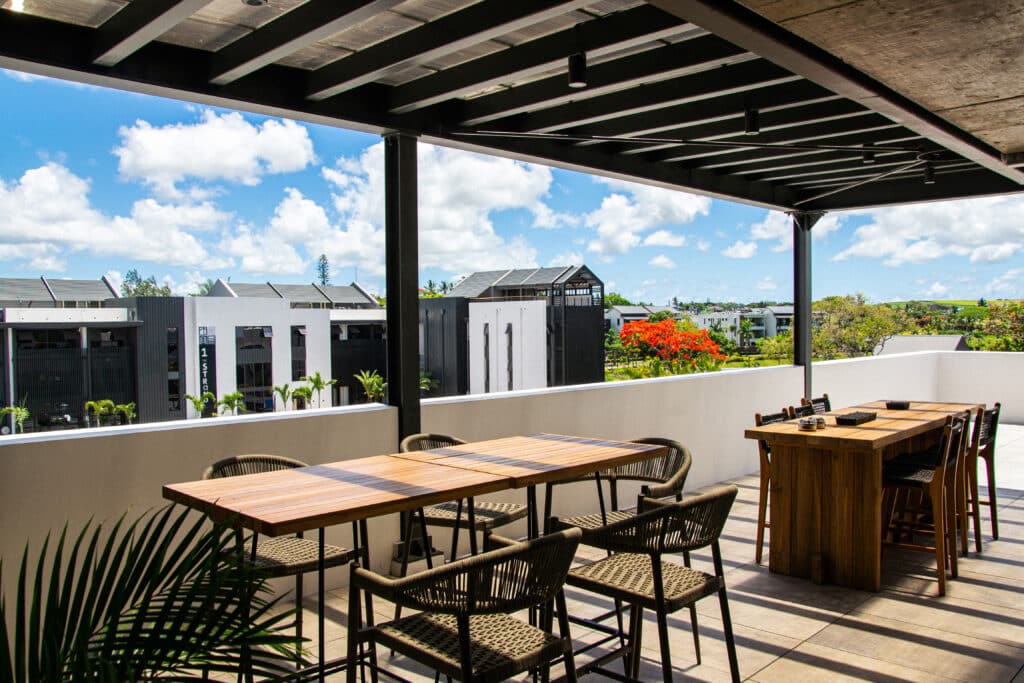
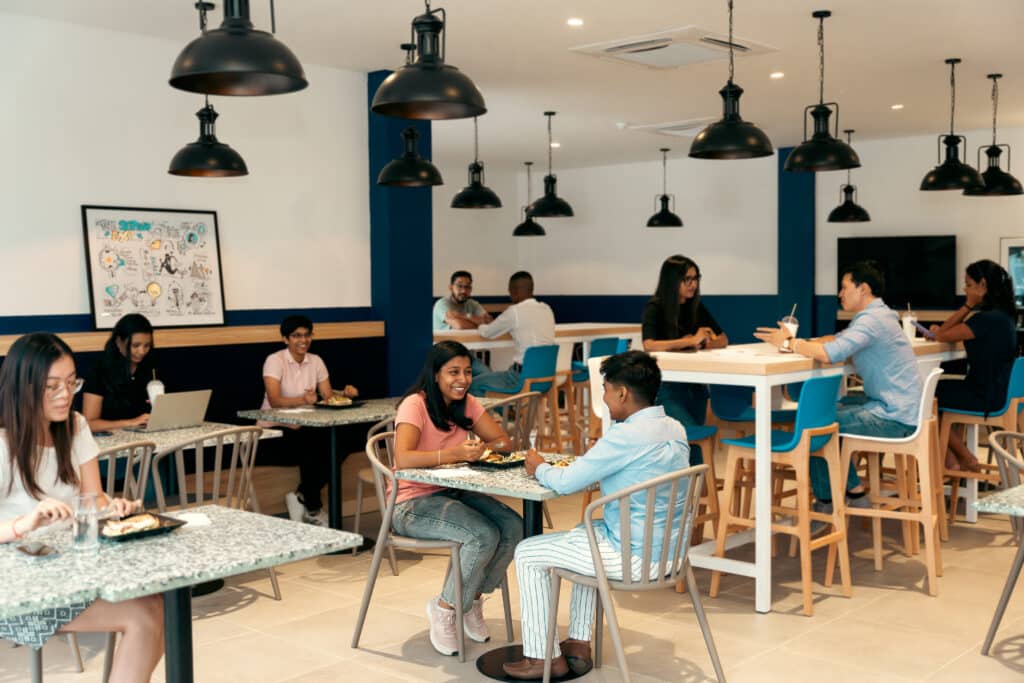
Social spaces: canteens, cafes, outdoor areas, and breakout zones are as beneficial to new employees building social capital as they are to
those re-entering the workforce (e.g., after maternity leave). They bridge the disconnect and create a sense of community.
Relaxation zones: respite or relaxation rooms can serve multiple functions. Gen Z employees, who place great emphasis on mental health, could use these rooms to find calm on stressful workdays. Similarly, nap pods could be used across all ages to improve focus and alertness during the workday.
Focus rooms: for employees with hectic home environments (e.g. with young children or housemates), open-plan offices are often just
an extension of the distraction. Provisions for enclosed or soundproofed work booths would allow these individuals much-needed quiet to fulfil deliverables.
The Strand at Beau Plan is designed to meet the evolving needs of every generation – from lifestyle-oriented Gen Z workers to seasoned
professionals balancing family with career. Companies occupying The Strand feature innovative office spaces that promote productivity,
community, and collaboration. Set against the lush backdrop of Beau Plan Smart City, The Strand is conveniently connected to a multitude of amenities that help employees effortlessly strike that elusive work-life balance—from the in-house boutique gym by Ennoia, events and activities at the Creative Park to shopping and dining options at Mahogany—all within a 10-minute walking radius.
Follow us on LinkedIn : Work in Beau Plan for more interesting industry news.
Written by Kavita Choksi for Beau Plan.